
A commercial cleaning site walkthrough should turn an enquiry into a verified scope of work. Inspect the areas you would clean, understand the conditions that affect the job and record anything still unconfirmed. A thorough visit supports a better proposal, but cannot guarantee you will win the contract.
Bring the details collected through your pre-visit questions, a floor plan if available and a consistent note-taking checklist. Ask permission before taking photographs or measurements.
Agree what you are inspecting
At the start, confirm which spaces are included and ask the client to explain their main priorities. Distinguish a recurring maintenance clean from any initial catch-up work or separate periodic services.
Walk the site in a repeatable order, such as entrance, work areas, kitchens, toilets and service spaces. Mark excluded rooms and any areas you cannot access. Do not price an unseen area as though you inspected it.
Record conditions that affect the work
For each area, note the tasks, expected frequency and anything that changes the effort or equipment needed. Floor area alone will not describe the workload.
- Floors: surface type, condition, obstructions, stairs and transitions between finishes.
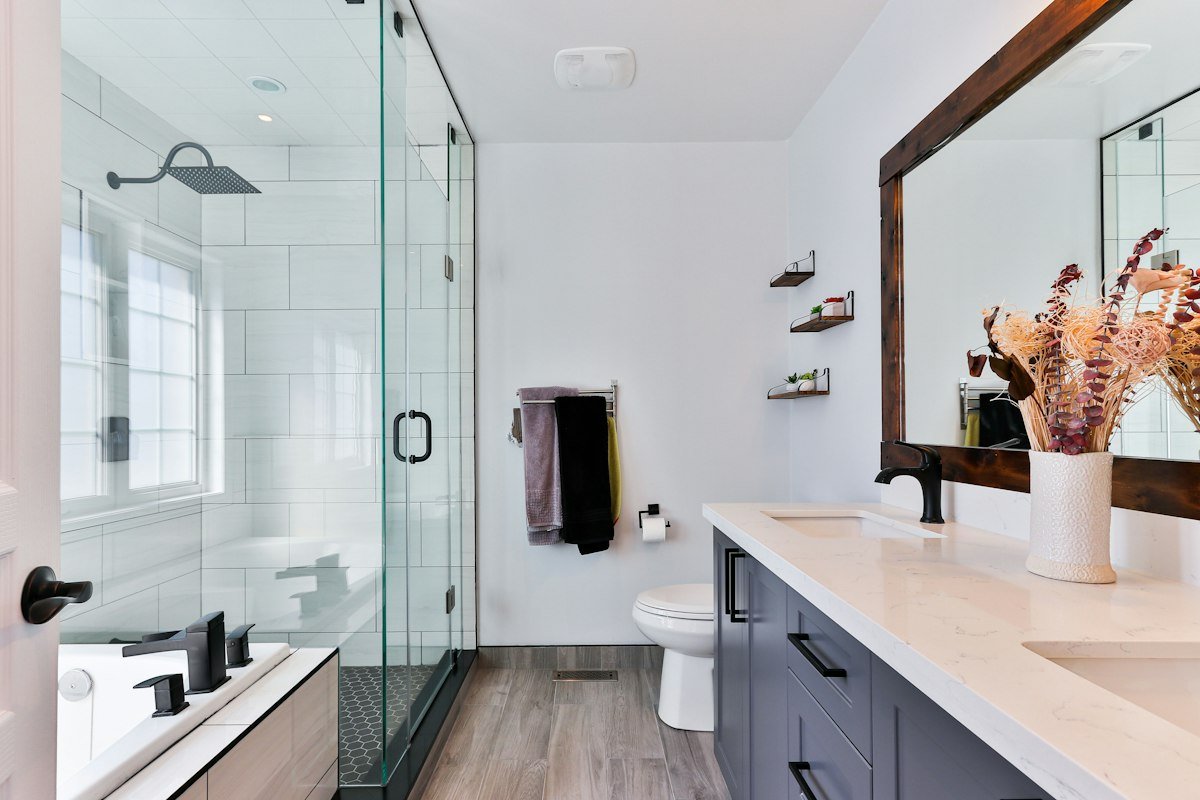
- Washrooms: fixtures, visible build-up, refill points and access during use.
- Kitchens: benches, sinks, bins and whether appliances are included.
- Workspaces: furniture density, shared desks and instructions for personal items.
- Waste: collection points, waste streams and the route to disposal facilities.
Separate observations from assumptions. If a surface needs specialist treatment, identify the material and seek suitable guidance before proposing a method. Do not promise to remove a mark without understanding what caused it.
Trace how the cleaner will move through the site
Look beyond the rooms themselves. Check where equipment enters, where products can be stored, and how water, power and waste facilities are reached. Note lift access, locked sections and any route shared with deliveries or operating equipment.
Ask about occupancy during the proposed cleaning window, restricted tasks and required induction. Identify work you cannot safely assess during the visit and arrange a further check rather than guessing.
Make the expected result specific
When a client says an area is “never clean enough”, ask them to show you the issue. Establish whether they mean missed tasks, unsuitable frequency, staining or a condition that routine cleaning may not resolve.
Record the priority and proposed task clearly. Avoid agreeing to vague outcomes such as “everything spotless”, which neither side can use as a reliable inspection checklist.
Close with a scope recap, not an improvised price
Before leaving, summarise included areas, periodic extras, exclusions and unanswered questions. Confirm who will supply missing information and agree when the client can expect the proposal.
Use the notes to prepare a commercial cleaning quote with stated assumptions and costs. If a missing detail could materially change the price, resolve it first or explain the limitation clearly. Send a concise written recap so the client can correct misunderstandings before the proposal is finalised.